MIYADAIKU TOURISM & EXPERIENCE
Agency for Cultural Affairs Certified Program (FY2021)
Miyadaiku Tourism & Experience
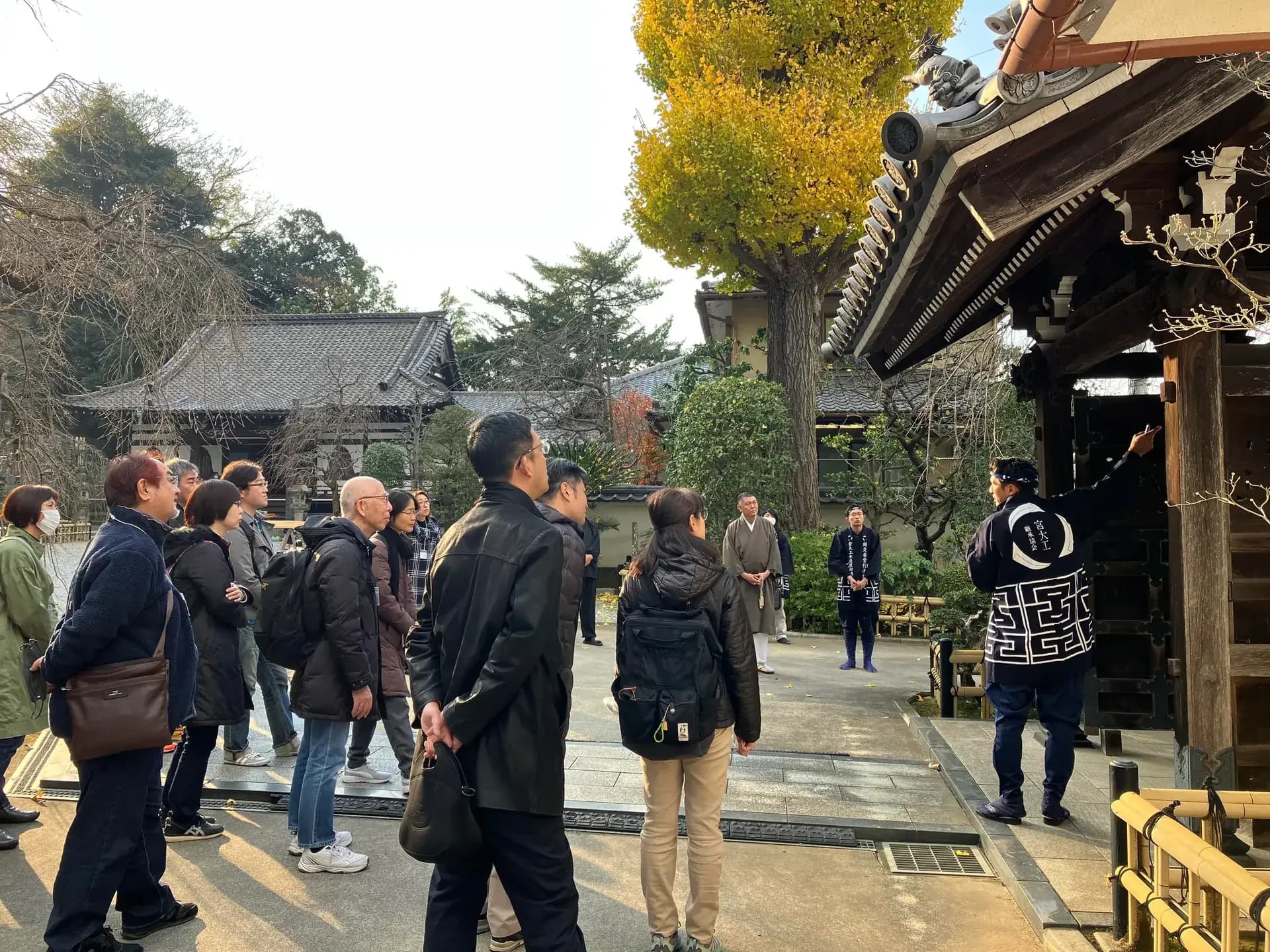
Miyadaiku Tourism
A journey through cultural properties and temple and shrine architecture through the eyes of a miyadaiku. A cultural tourism program to savor national treasures and World Heritage buildings in depth, with commentary from a practicing master carpenter.
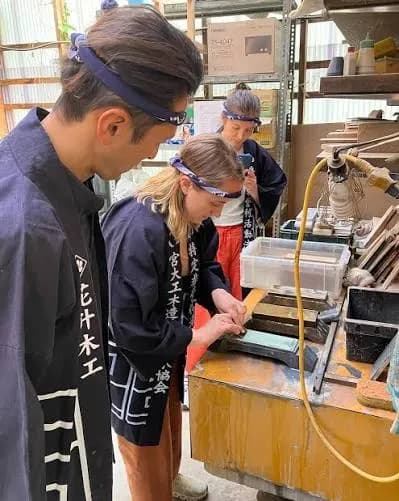
Miyadaiku Experience
A program for experiencing traditional timber construction techniques firsthand. A master carpenter personally guides you through the fundamental techniques of the miyadaiku, such as planing, ink marking, and joinery.
Miyadaiku Tourism
A journey through cultural properties and temple and shrine architecture through the eyes of a miyadaiku. This cultural tourism program lets you savor national treasures and World Heritage buildings in depth, with commentary from a practicing master carpenter.
1400years
of inherited craftsmanship
17elements
UNESCO Intangible Cultural Heritage
20+ years
of master carpenter experience
CULTURAL AFFAIRS AGENCY
Selected for the Agency for Cultural Affairs' "Program to Promote High Value-Added Cultural Assets to Attract Travelers Seeking Premium Tourism Services to Japan"
This program was selected under the Agency for Cultural Affairs' initiative to create high value-added tourism content that draws on Japan's cultural assets. Its aim is to let travelers from Japan and abroad experience the world-renowned craftsmanship of the miyadaiku.
What Is a Miyadaiku?
A miyadaiku is a carpenter who builds and restores shrines, temples, and palaces. Repairing buildings erected hundreds, even thousands, of years ago and passing their form on to the next era, it is among the most sacred of professions.
The work of a miyadaiku is not mere construction. It is the creation of places that serve the gods and the Buddha, giving form to people's spiritual refuge. It demands sure technique and deep spirituality—facing the wood and embracing the laws of nature.

The Tools of the Miyadaiku
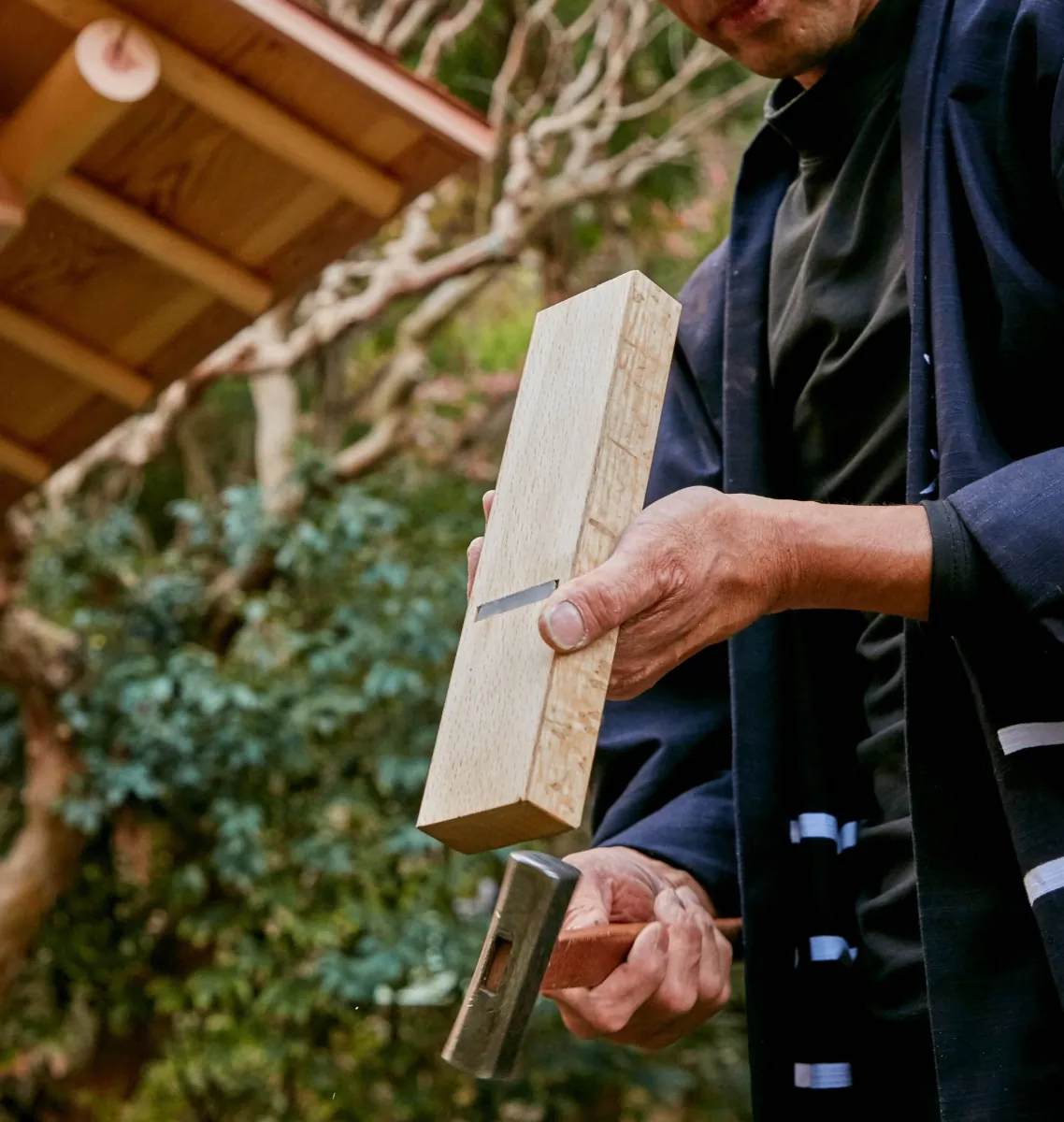
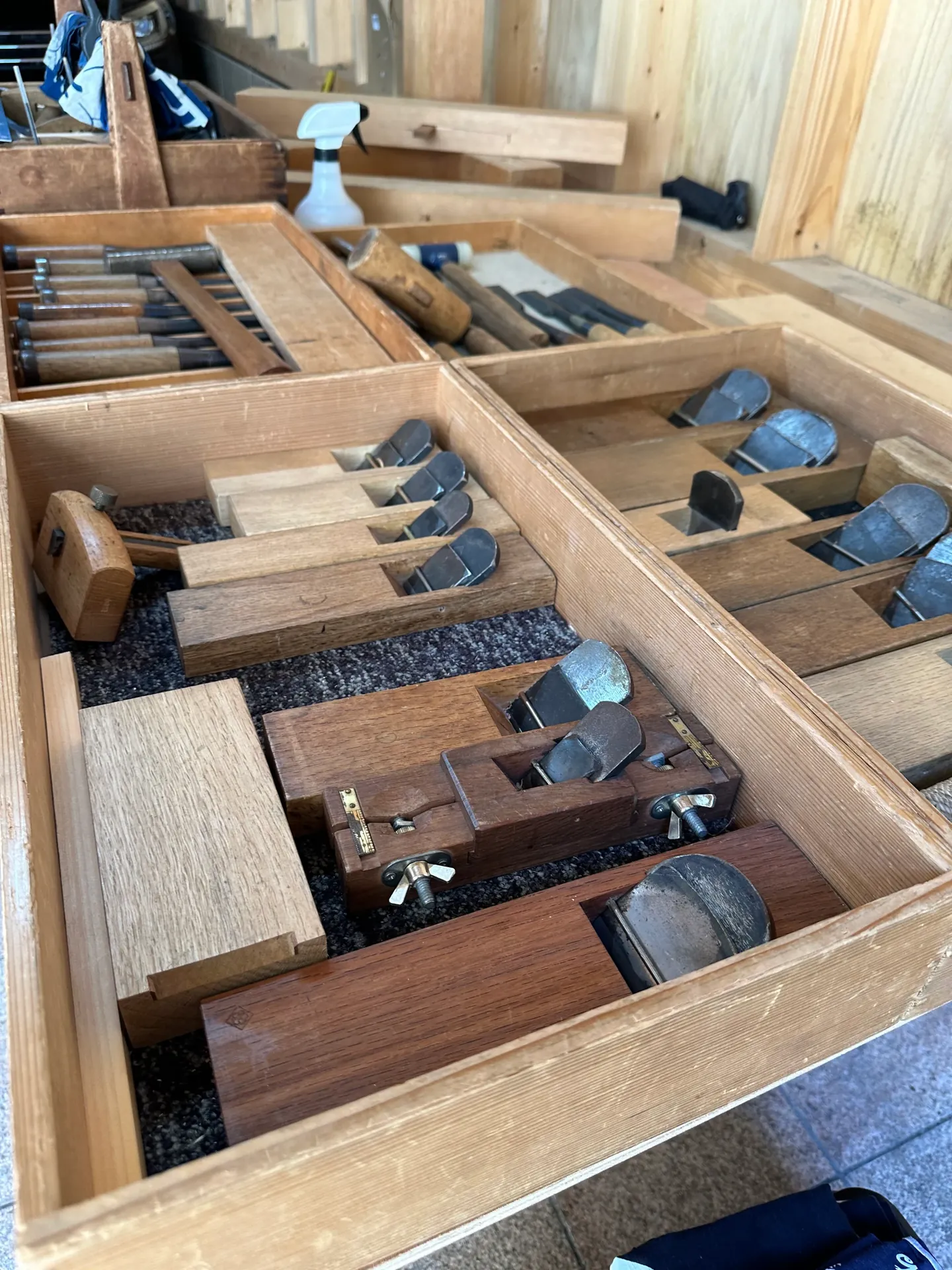
Chisels, planes, carpenter's squares, and other tools worn smooth by years of use in the craftsman's hands

Through the Eyes of a Miyadaiku
A craftsman's perspective that sees not only the building, but into people's hearts

JAPANESE TRADITIONAL ARCHITECTURE
Living Within History
Techniques passed down for 1,400 years still breathe there today
STORY
The Miyadaiku Story
In the age of the Man'yoshu, the "Way of Shikishima" meant the way of waka poetry. Some ways, like flower arrangement and the tea ceremony, have formal schools yet are widely practiced by the public.
Yet in the world of the miyadaiku, who have long served the gods, no such name of a "way" exists so far. That is because this craft has always been handed down "for the gods and the Buddha."
The handwork of these artisans reveals a world that stands in opposition to modern architecture. Fitting wood to wood and raising buildings without nails, their techniques have transcended 1,400 years and still live on today.
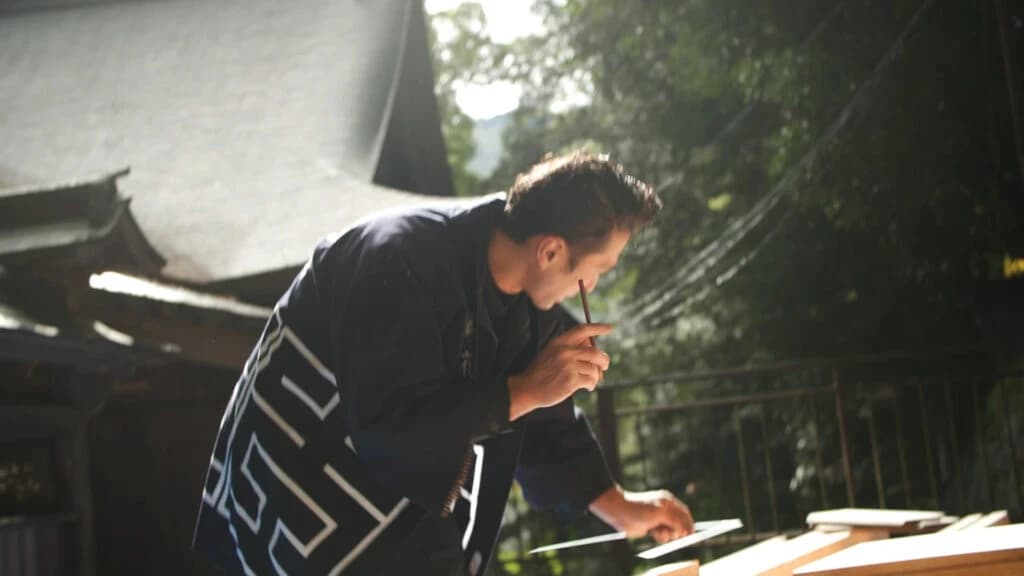
HERITAGE
Why Miyadaiku Tourism, and Why Now
Horyu-ji Temple, the world's oldest wooden structure. Its history reaches back some 1,400 years. Beyond it, many of the world's oldest wooden buildings are Japan's temples and shrines. Why might that be?
The secret lies in Japan's unique timber construction techniques: the structures of temples and shrines adorned with intricate wood carvings, and buildings that still stand after centuries. Behind these mysterious techniques is the craft of the miyadaiku, inscribed on UNESCO's Intangible Cultural Heritage list as "Traditional Skills, Techniques and Knowledge for the Conservation and Transmission of Wooden Architecture."
The work of the miyadaiku may well be the world's oldest full-scale business. Today, we can experience its techniques and spirit for ourselves. That is Miyadaiku Tourism.
Inscribed on UNESCO's Intangible Cultural Heritage list as "Traditional Skills, Techniques and Knowledge for the Conservation and Transmission of Wooden Architecture"
PERSPECTIVE
Through the Eyes of a Miyadaiku
"One who does not revere the gods and the Buddha must not speak of building temples."
The most important perspective of the miyadaiku begins with the mindset of building a shrine or a temple. The gods and the Buddha say nothing, yet these are places on which people rely, where they find peace and refuge.
The miyadaiku cherishes this sense of "building a refuge for the heart." Herein lies the lofty spirit of the miyadaiku. To build a shrine or temple is also to build the human heart.
THE ARTISAN SPIRIT
Getting to Know the Miyadaiku Facing the wood, embracing the laws of nature
Recommended Temples and Shrines
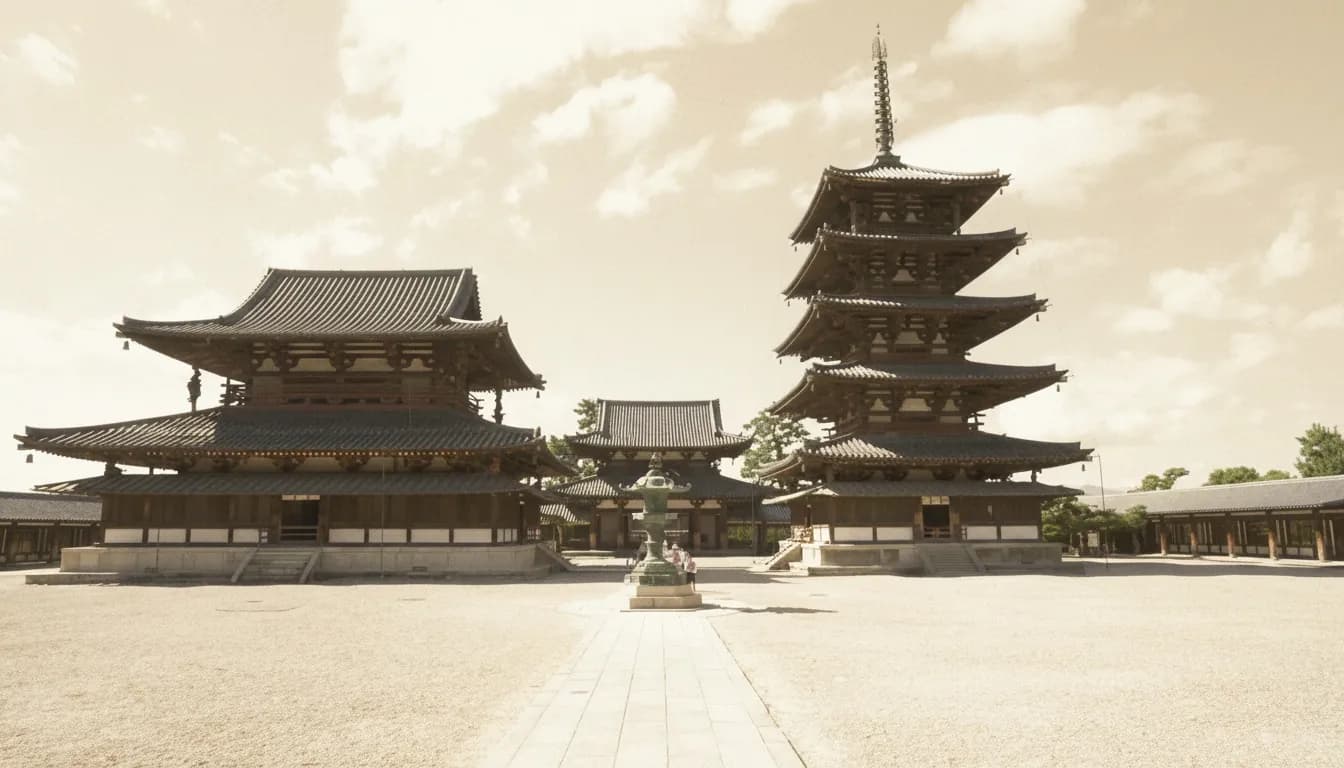
Horyu-ji Temple
Ikaruga, Ikoma District, Nara Prefecture
The world's oldest group of wooden buildings, standing for 1,400 years. Admire the nail-free kumimono bracketing and the precision of the carvings.
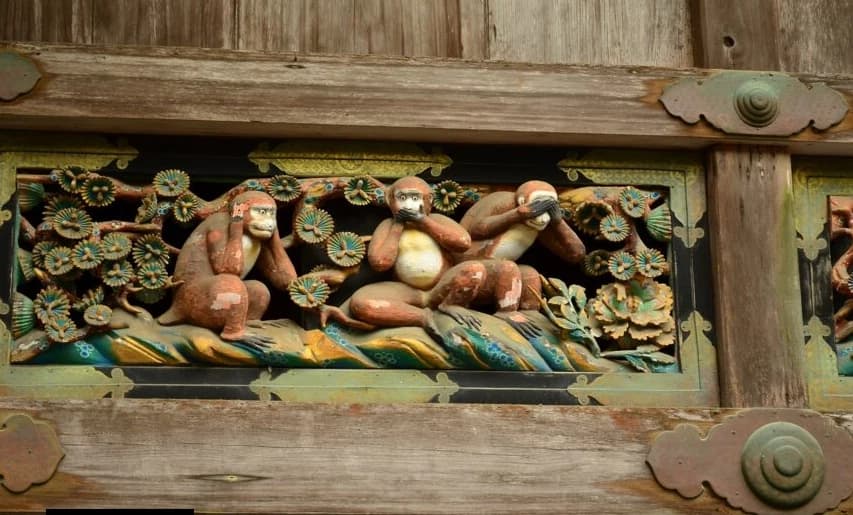
Nikko Toshogu Shrine
Nikko, Tochigi Prefecture
"The beauty of incompleteness is the Japanese aesthetic." Decipher the craftsmen's intentions embedded in deliberate "imperfections" such as the inverted pillar.
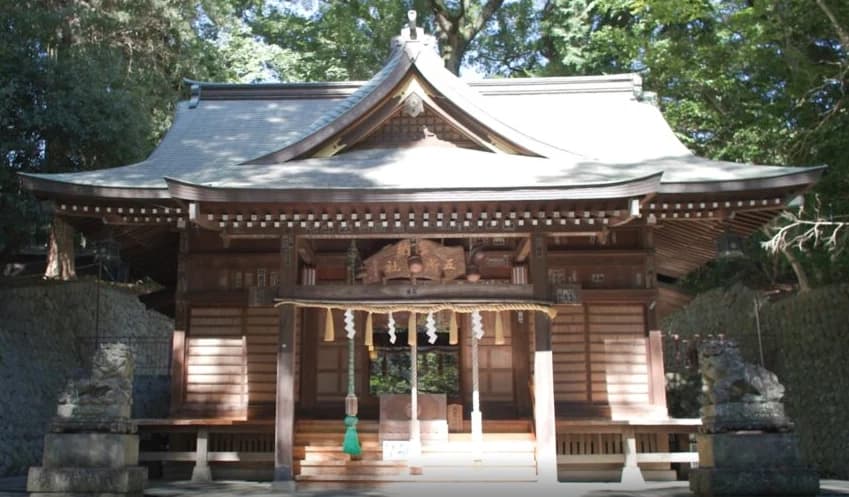
When You Visit a Temple or Shrine
Do not just "look" at the buildings—"read" them. Uncover the meaning held in each carving and the angle of each pillar.
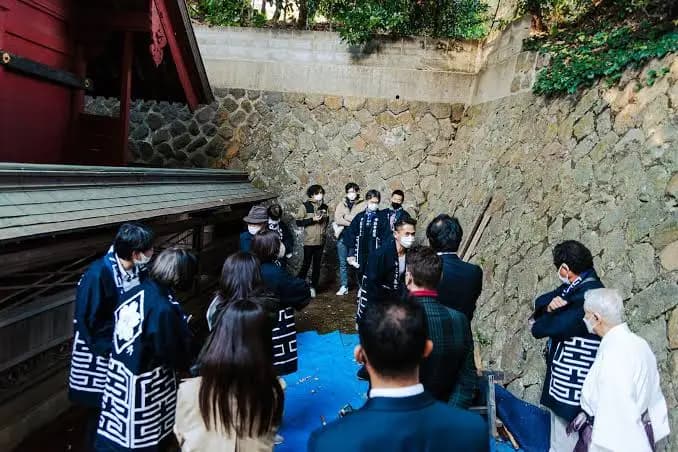
MIYADAIKU EXPERIENCE & TOUR
Miyadaiku Experience
A rare experience: learn the 'way of the master's craft' directly from miyadaiku— The essence of Japanese culture: secret techniques and spirit handed down for 1,400 years —
Work with your own hands and absorb the skill and spirit of the miyadaiku. A diverse range of programs open to everyone, from children to adults
Experience Program
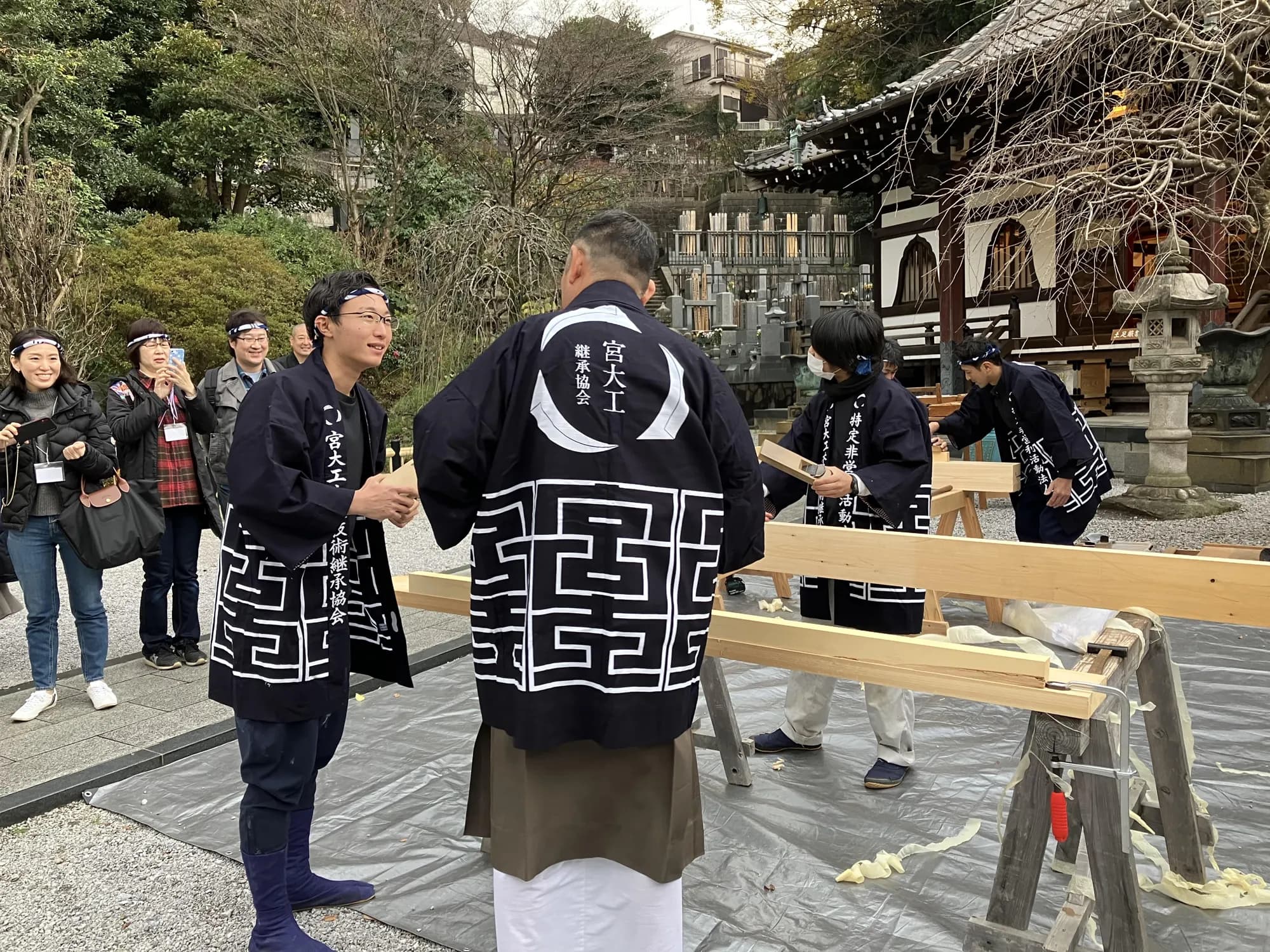
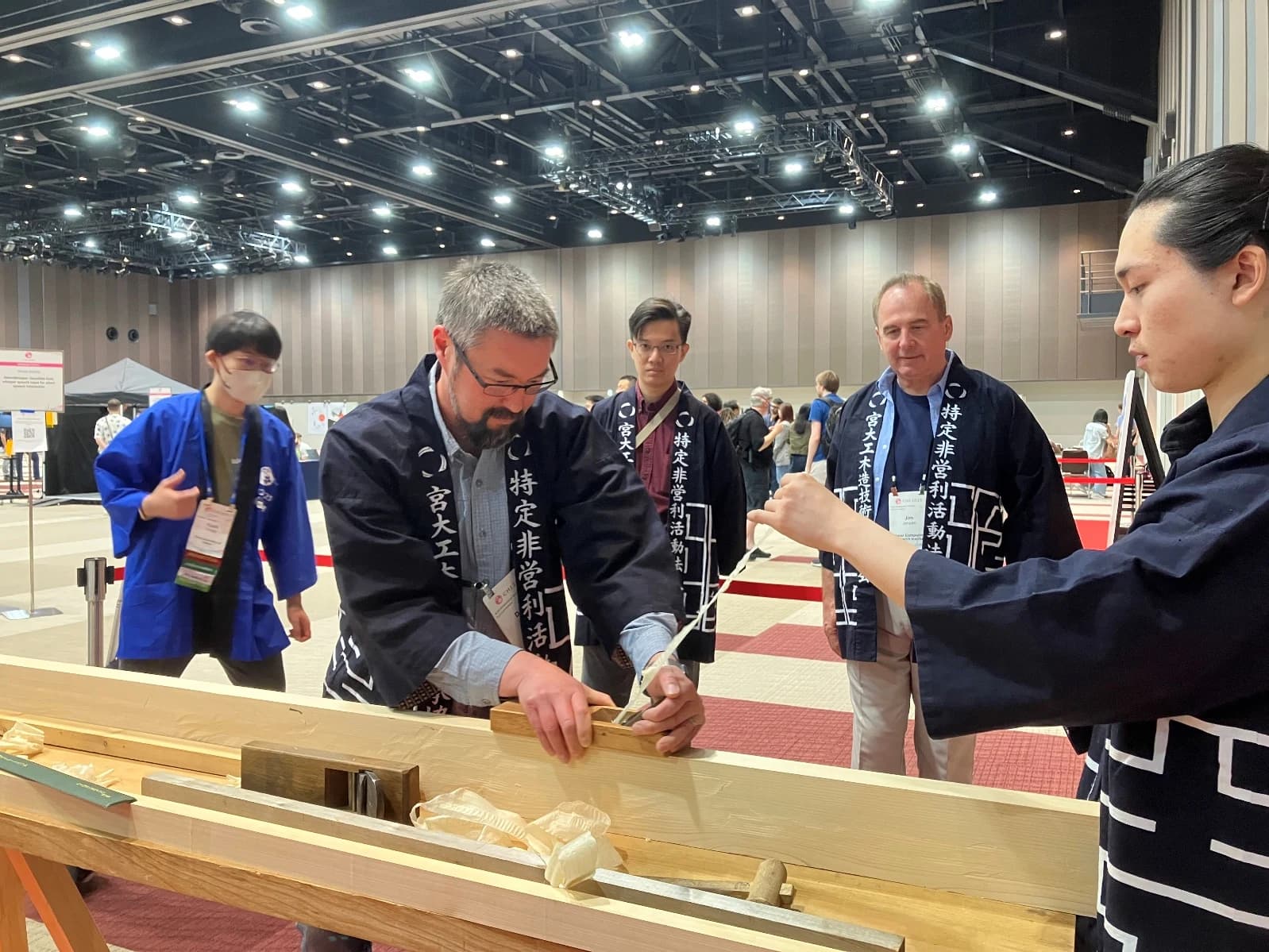
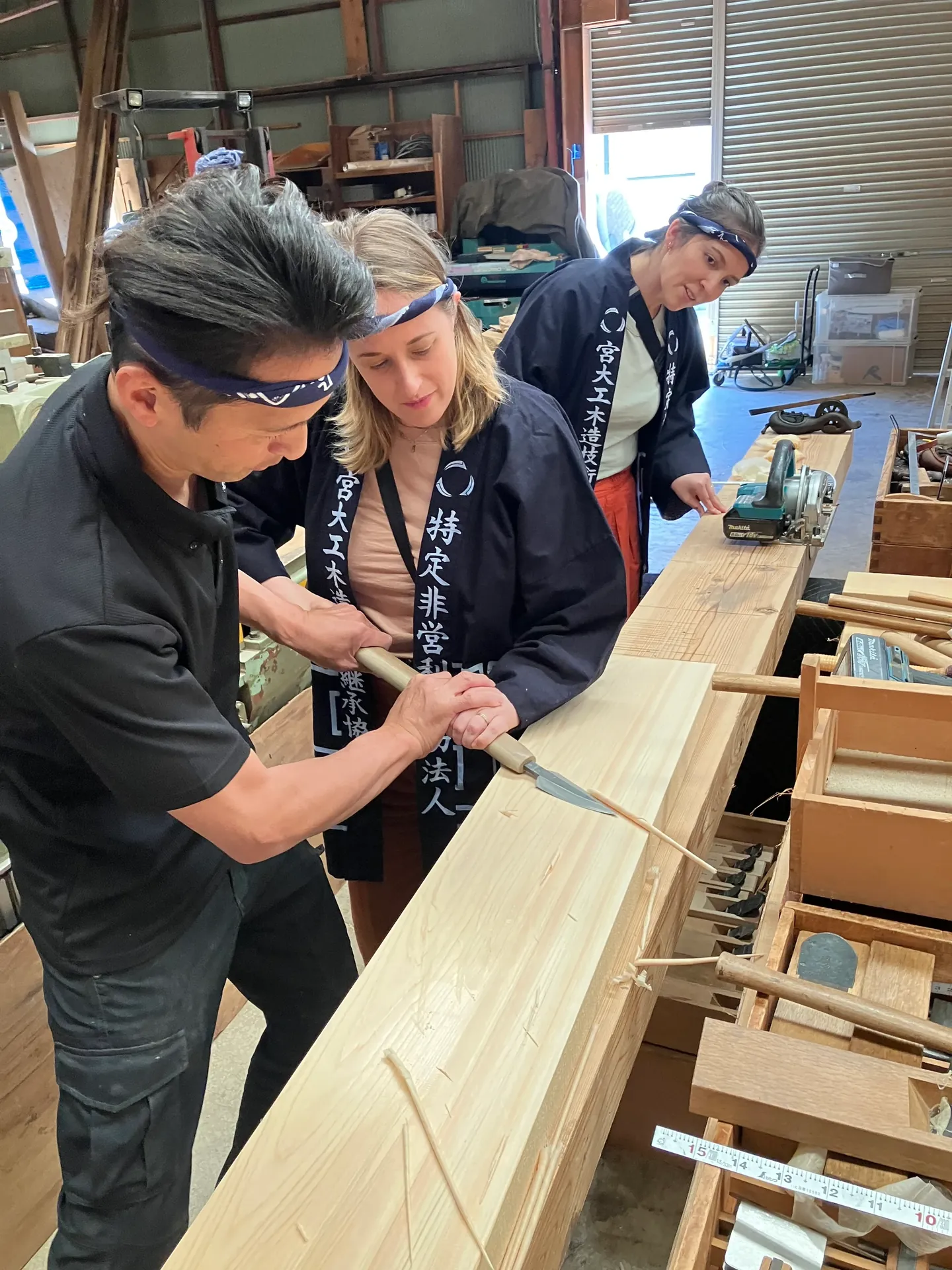
A miyadaiku master carpenter attentively guides each participant. Experience firsthand, with your own hands, the fundamental techniques that have supported Japan's temple and shrine architecture.
You will feel how much effort and skill it takes to build even a small hut—an experience that will make you want to protect this traditional art and pass it on to the next generation.
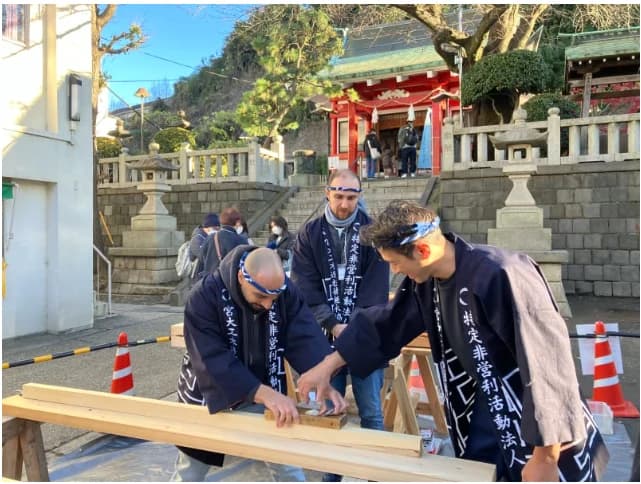
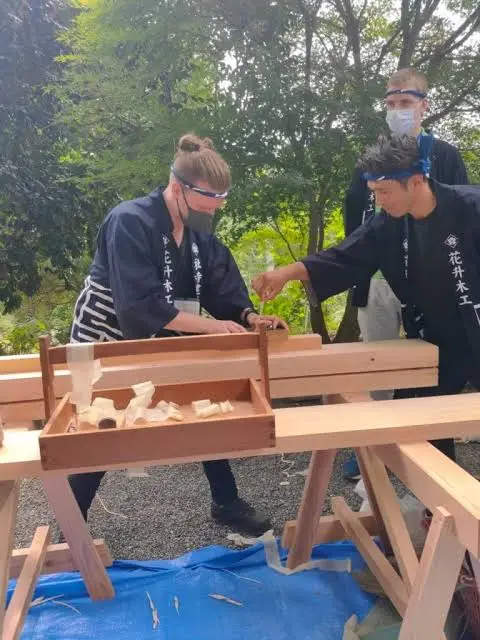
Wood planing experience
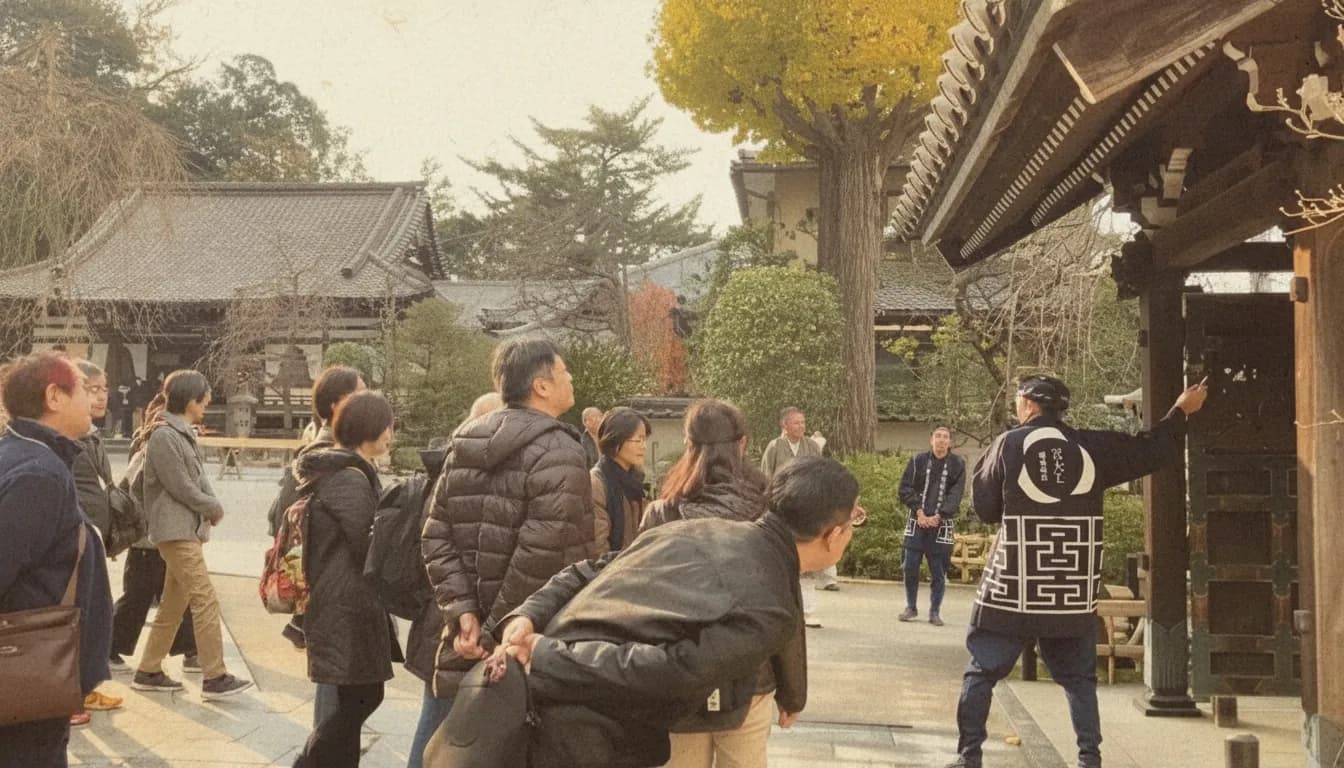
Temple and shrine visits
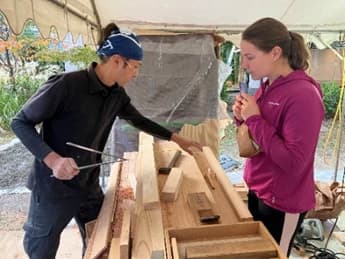
Guidance from a master carpenter
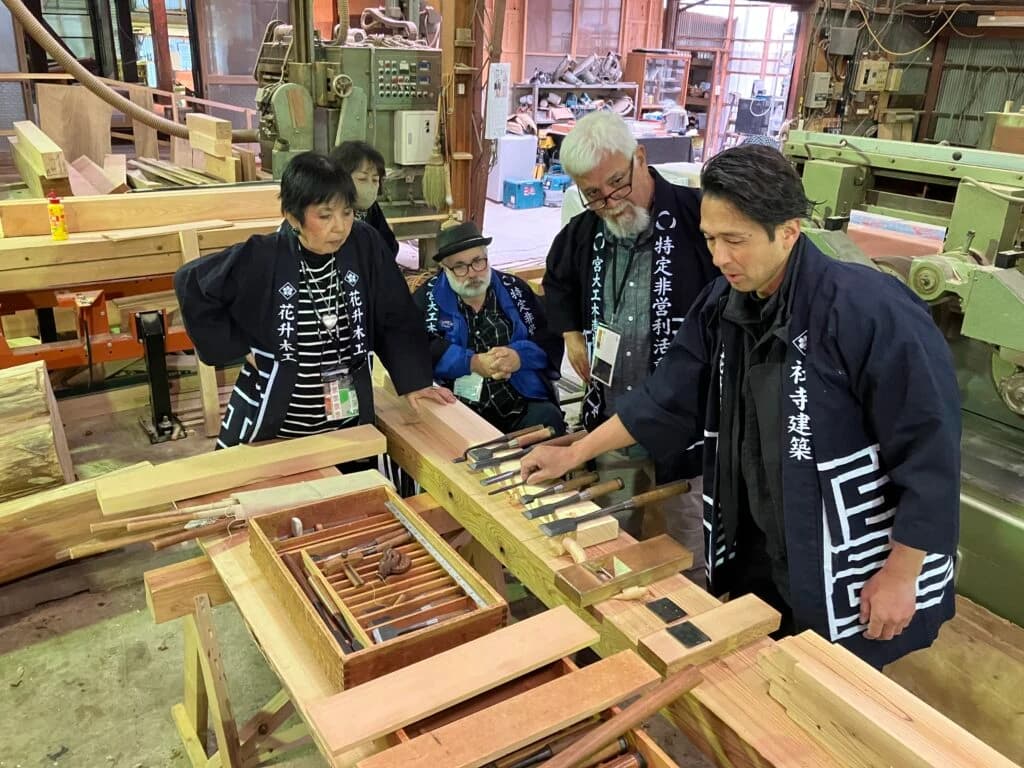
Explanation of joinery techniques
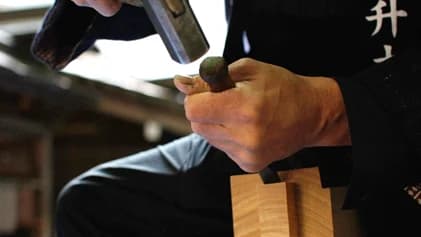
Demonstration of wood splicing
Always converse with the wood
Learning for Adults
There is a path of miyadaiku learning you can begin at any time, regardless of age or experience.
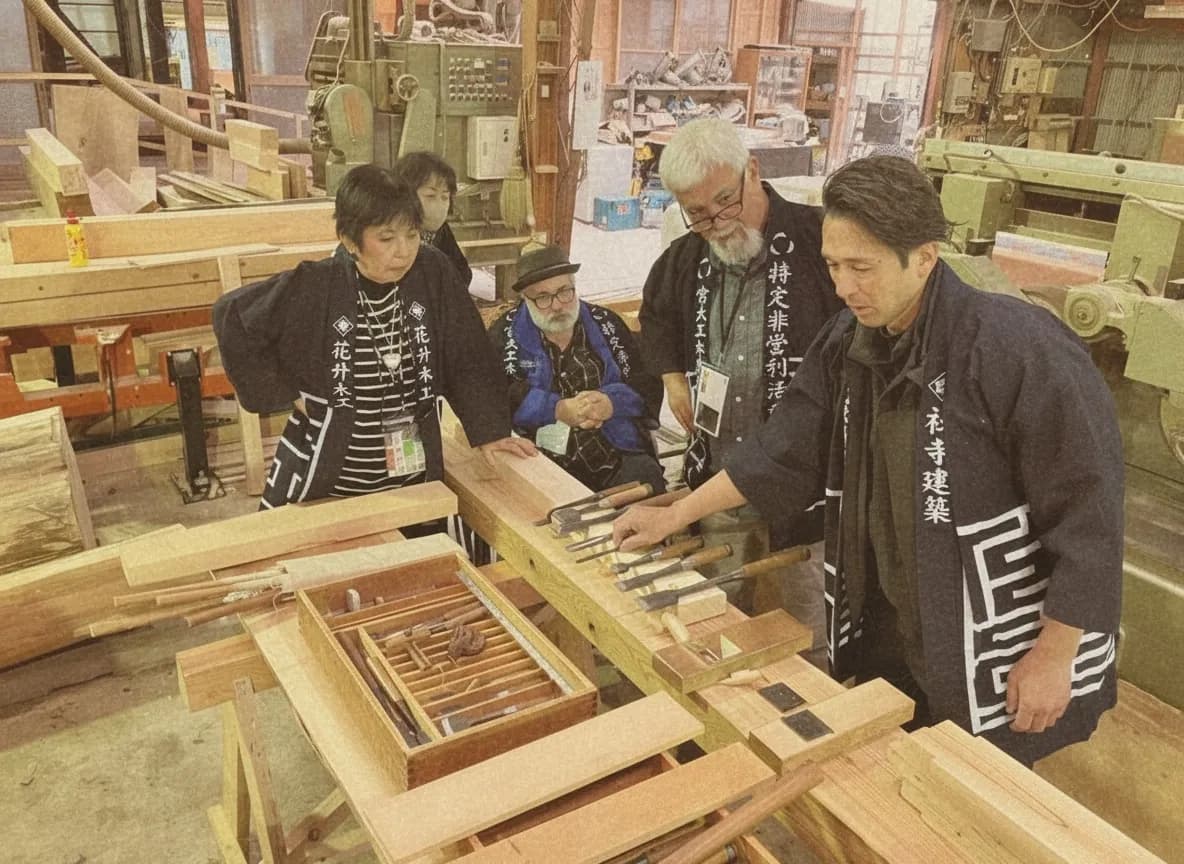
Recurrent Education Course
School for Adults
ForThose taking on the challenge of a miyadaiku apprenticeship from age 60
Now is the time to realize the dream you had as a child. An introduction to miyadaiku apprenticeship from age 60. Together we share the sense of achievement that comes from creating one great work in your lifetime.
- A new challenge from age 60
- Recurrent education
- Certification and qualifications
- Devote yourself to what you care about
e-Learning Classes for International Learners
E-Learning
ForThose wishing to learn miyadaiku techniques from overseas (ages 15–50)
An online learning program for those wishing to study from overseas. Instruction is given in Japanese so that Japanese miyadaiku techniques can be put to use around the world.
- Online classes in Japanese
- International certification in Japanese timber construction techniques
- Business development support
- Trial experience available
VOICE
Participant Voices
“ It was a rare opportunity to be taught directly by a miyadaiku master carpenter. The feel of planing wood, how to use the tools, the spirituality of architecture—I was able to sense with my whole body things that could never be learned from a book. I discovered the profound depth of Japan's traditional architecture, and I want to keep exploring it.
— Experience participant
Tour Details
- Tour Venues
- Shrines, temples, and historic buildings
- Transfers
- Haneda Airport / Osanbashi International Passenger Terminal
- Options
- Tea ceremony, worship etiquette, zazen meditation, lunch
- Fees
- Please contact us
- Dates
- Dates are arranged as needed. Please feel free to contact us with your preferred date and time, group size, and other details.
WHAT IS MIYADAIKU
What Is a Miyadaiku?
Miyadaiku are master craftsmen who have upheld Japan's tradition of timber architecture for more than 1,400 years. Specializing in shrines and temples and working with natural wood, they have raised buildings that combine strength and grace through exquisite joinery and refined techniques.
It is the world's oldest woodworking technique, and the world's finest. Techniques developed 1,400 years ago remain in use unchanged today, and they are even used in the Tokyo Skytree, Japan's tallest structure—which is to say, a technique that was already perfect while being the oldest in the world.
Japan is a land of earthquakes, and also a land of heavy rain and humidity. The building techniques of the MIYADAIKU protect wooden structures from earthquakes and moisture. These techniques are closely guarded secrets, passed from master to apprentice without any textbook.

EXPERIENCE
What You Can Experience on This Tour
We offer a rare opportunity to experience up close the woodworking techniques of the miyadaiku, passed down for 1,400 years. Participants witness the moment when making things transcends technique and becomes art, and on this tour they can sense the quiet, noble spirituality of the craftsmen and the "way" handed down across generations.
This tour goes beyond a simple woodworking experience, offering a chance to deeply understand the beauty of Japanese wood art, the sustainability of Japanese wood, and the depth of the Japanese spirit. You will feel the moment when wood is brought to life by the hands of the craftsman.
TOUR CONTENT
Tour Content (Excerpt)
Become an apprentice to a miyadaiku master carpenter and experience the essence of Japanese culture. You will study under the world's foremost MIYADAIKU Grand Master (MIYADAIKU Grand Master Traditional Japanese Wooden Architecture), who has 700 apprentices.
Tour Schedule (Excerpt)
- 01Explanation of miyadaiku techniques in temple and shrine buildings, given by a miyadaiku
- 02Explanation of miyadaiku hand tools
- 03Hands-on miyadaiku techniques
- 04Miyadaiku apprenticeship certificate ceremony
- 05And more
Duration and Fees
2-Hour Course
Includes matcha and Japanese sweets
1-Day Course
Includes a meal
2-Week Course
Scholarship program available
1-Year Course
Miyadaiku sightseeing across Japan and full professional certification
*Please contact us for fees
Original Courses for Groups, Tailored to Your Budget
Time, place, fees, and group size can all be set freely. We accommodate groups of 5 to 500. We offer a refined program that can be enjoyed even between sessions of a busy conference.
Duration
Usually from about 120 minutes per session (can be shortened or extended)
SOUVENIR
Souvenir Corner
Advance reservation required
- Hand tools selected by Japanese miyadaiku
- Original miyadaiku tenugui towels
- Miyadaiku uchiwa fans
- The most delicious matcha in Japan
- And much more!
OFFICIAL LINKS
Official Links
Watch actual footage here

- Organized by: Miyadaiku Woodcraft Heritage Association
- Specified Nonprofit Corporation, Headquarters
- Operated by: Hanamasu Mokko Shaji Kenchiku
- Co., Ltd., Workshop
DETAIL
Become an Apprentice to a Miyadaiku Master Carpenter and Experience the Essence of Japanese Culture
Observe the features of traditional shrine and temple architecture and visit restoration sites
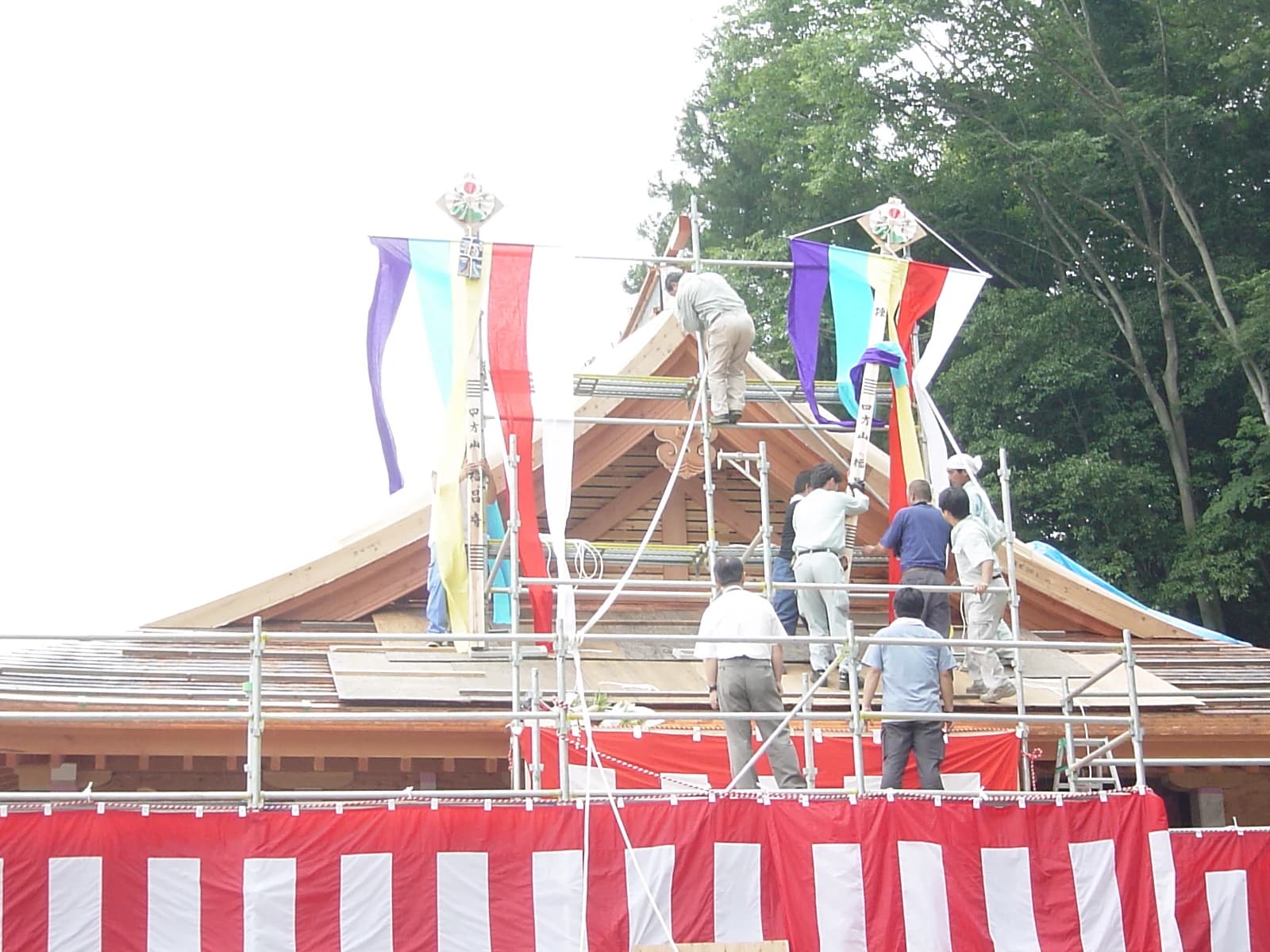
Miyadaiku are woodworking craftsmen who build and restore shrines and temples. For long periods they left their hometowns, living and working in place after place. Their skills and techniques were never made public and were handed down chiefly through the apprenticeship system.
What is asked of a miyadaiku is not only outstanding skill. Their highest calling lies in building places where people can offer their prayers to the gods and the Buddha in peace. Japan is said to have once had several hundred successors to the miyadaiku, but their numbers have dwindled with the times, and today fewer than 100 people are said to practice this traditional craft.
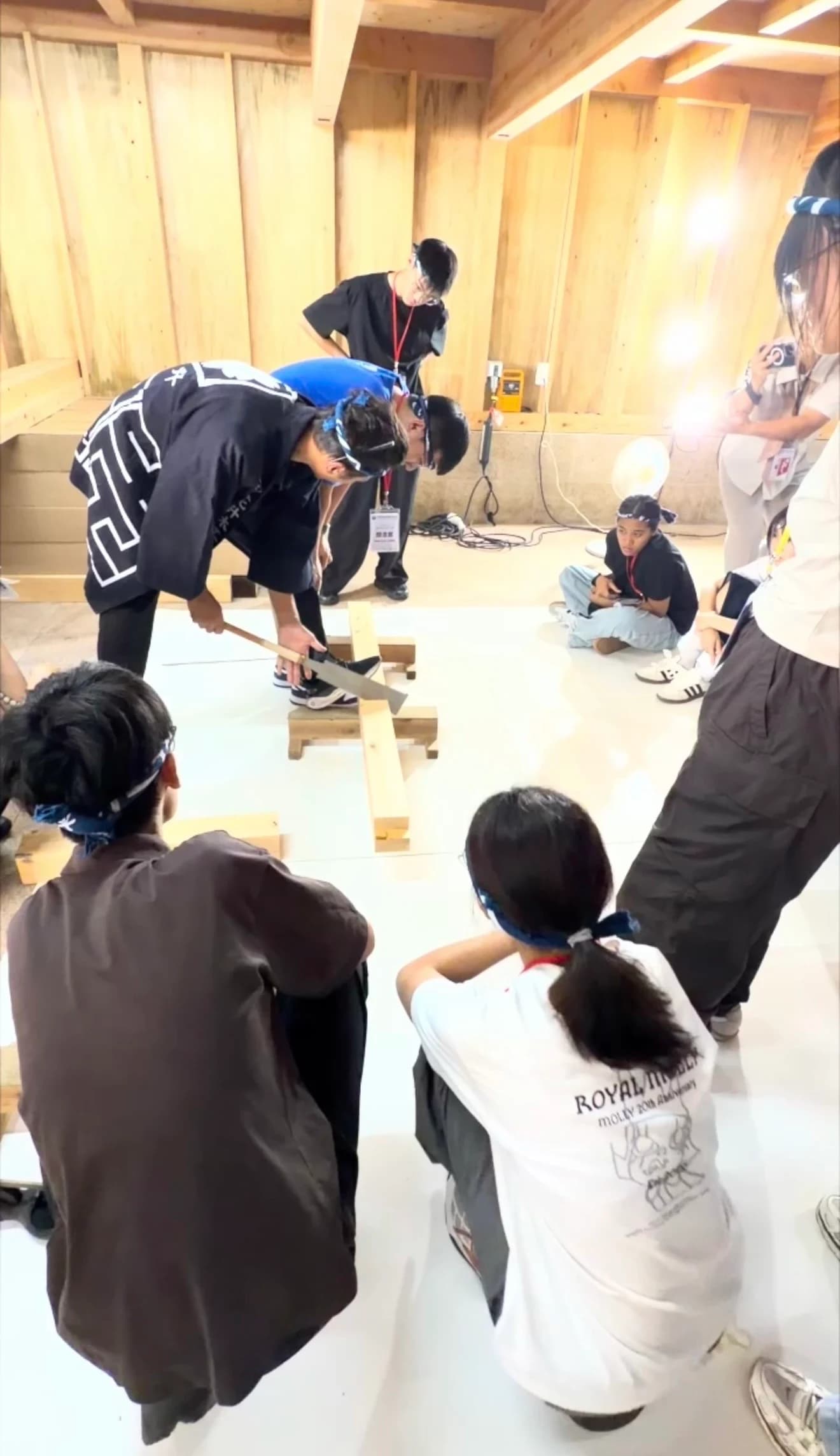
At Miyadaiku Experience, in addition to viewing traditional shrine and temple architecture and visiting restoration sites, you can enjoy the now extremely rare experience of wearing the miyadaiku's own attire.
How the Experience Unfolds
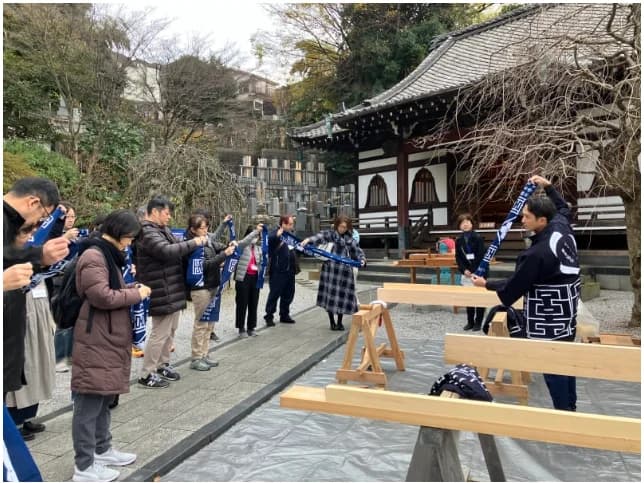
01
Dressing in Traditional Attire
Learn how to put on the hanten, the traditional work coat, and how to tie the decorative cord worn around the head.
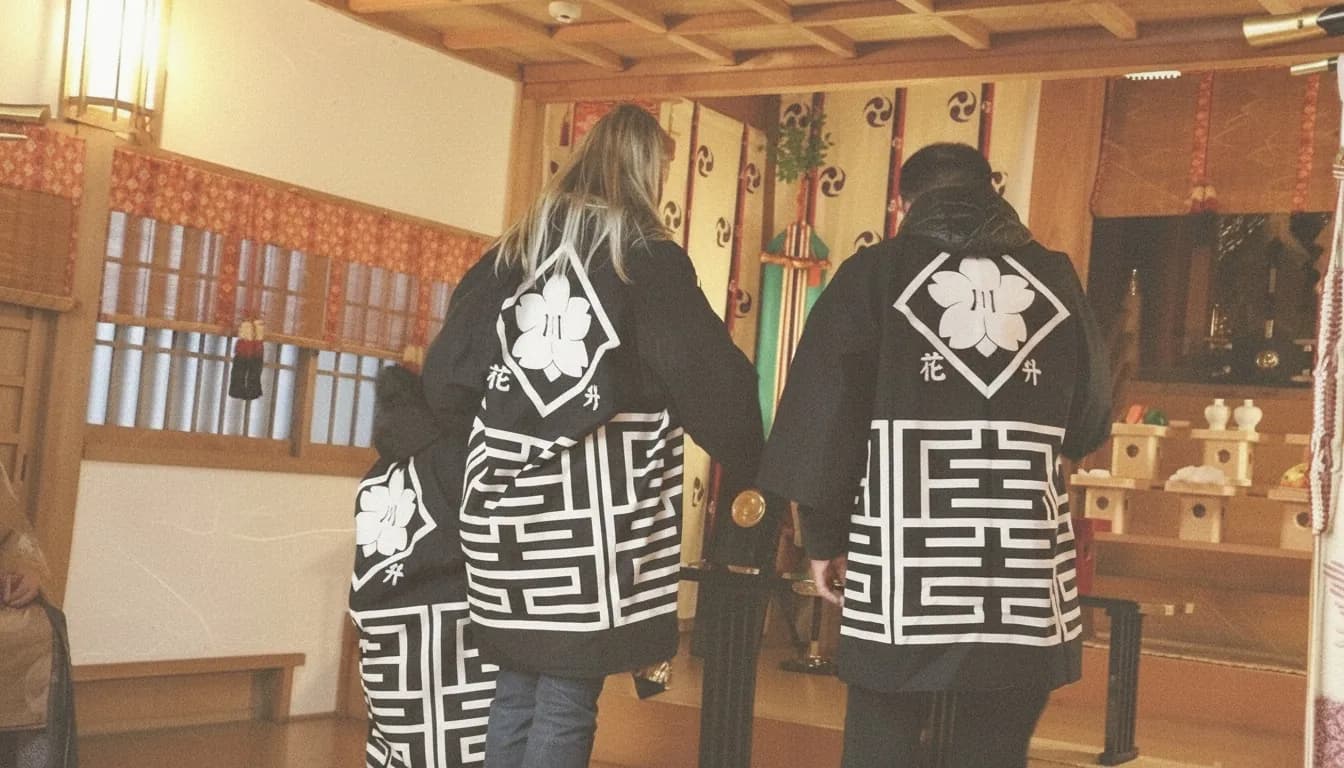
02
Visiting a Shrine or Temple
Before beginning your training, visit a shrine or temple to pray for safety and well-being.
03
Hands-On Techniques
Try planing, wood carving, and making the tsugite and shiguchi joints (mortise and tenon) used to fit timbers together.
04
Presentation of the Apprenticeship Certificate
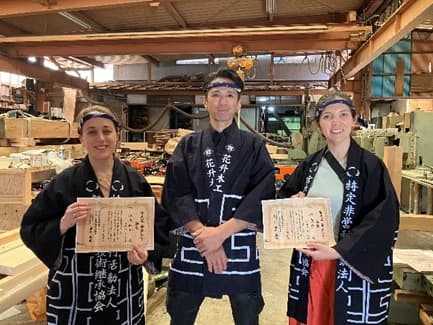
On completing the experience, you will be presented with an apprenticeship certificate—the finest memento of your journey.
In addition, transfers are available from Haneda Airport and the nearest station to the venue, so travelers can take part with ease.
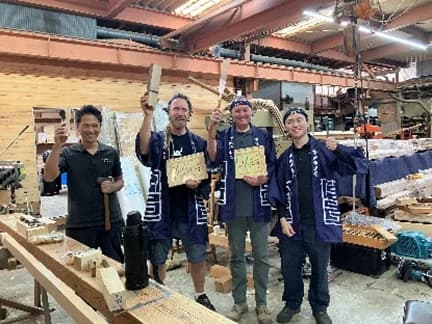
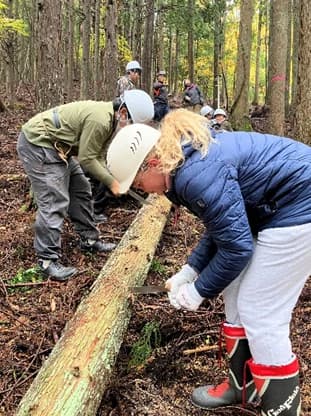
Scenes from the Experience
Feedback from Experience Participants
Excerpts
With a pickup from our hotel, it was easy to take part. Dressed in a traditional hanten, we paid our respects at the shrine and then stepped into the workshop, where we were enveloped in the pleasant scent of hinoki cypress. I was left speechless by the master carpenter's beautiful planing, and I was truly moved when I managed to shave a thin strip of wood myself. It was not mere sightseeing; feeling the craftsmen's quiet passion and a spirituality one might call "Zen in motion" was a precious experience. The matcha served afterward was delicious, and the apprenticeship certificate became the finest memento of our trip.
Ms./Mr. D
Inbound tourist
As a student of architecture, this tour was a life-changing experience. I encountered the sensory world of "medzutae" (learning by watching), which is not found in university textbooks, and was overwhelmed by the craftsmen's finely honed movements. Kigumi, which interlocks wood with wood without metal fittings, and kikujutsu, which derives complex curves with nothing but a carpenter's square, are the ultimate techniques, fusing geometry with an aesthetic sensibility.
Ms./Mr. K
Student from overseas
Witnessing up close the world's oldest and yet perfectly accomplished timber construction techniques left a deep impression on me. I take my hat off to the rational reasoning that planing is not merely a finish but a "natural waterproofing" that keeps out moisture, and to the wisdom of tsugite and shiguchi joints, which allow a building to last 1,000 years by replacing only damaged members. The craftsman's philosophy of "sharpening the mind" by sharpening one's tools had a beauty beyond words.
Ms./Mr. H
Visitor to Japan with a love of wood and craftsmanship
I took part as an inspection of sustainable architecture and cultural heritage conservation, and gained far more than I expected. The miyadaiku's craft of making buildings last over 1,000 years through repeated restoration, rather than building new and demolishing, is the very embodiment of the "original carbon-neutral" philosophy. Their concrete SDGs initiatives—using thinned timber, conserving forests, and working with local communities—are highly instructive for my own country's environmental policy and building administration.
Ms./Mr. T
Overseas government study tour
We took part in an original group course between sessions of an international conference. It was a highly refined program; the tension of a busy conference melted away, and the bonds among participants deepened. We encountered "authentic Japanese luxury," pared of all excess and a world apart from lavish spectacle, and everyone was deeply moved. Beyond the master carpenter's skillful demonstration of craftsmanship, the attention to detail—from the warm hospitality to the matcha tea ceremony—was wonderful.
Ms./Mr. R
MICE group participant
From the philosophy of tool sharpening—"preparation is 90 percent of the work"—to the craftsman's sixth sense honed through ten years of training, there were extremely deep lessons from the perspectives of innovation and organizational management as well. The process by which skill gives rise to emotion and becomes "art," and a building becomes a source of local pride (civic pride), is a philosophy directly connected to how we create brand value.
Ms./Mr. A
Study group from a well-known overseas company
Grasping the invisible "sensation" rather than the visible "material"—the worldview of the miyadaiku was the very essence of what I have been trying to express through art. In the "Zen in motion" of sharpening blades in silence and honing the mind, and in the way they carve trees thousands of years old as if paying respect and conversing with them, I saw the decisive moment when technique is sublimated into art. The aesthetic of wabi-sabi, which values simplicity and naturalness over decorative splendor, makes me ask what true luxury really is.
Ms./Mr. R
Overseas artist
Program Overview
- Meeting Point
- Nearest station, hotels in the city, Haneda Airport, and others (meeting point to be decided upon inquiry)
- Venue
- On-site at shrines and temples in the city, the miyadaiku workshop in the water-source forest, or event venues (venue to be decided upon inquiry)
- Inquiries
- Address: 1-13 Nishitobe-cho, Nishi-ku 220-0046 (venue to be decided upon inquiry)
- Phone
- 045-326-6009
- info@miyadaiku.or.jp
Consultation
Toll-free 0120-113-331
TEL 045-326-6009 / info@miyadaiku.or.jp
Hours: 10:00–18:00 (excluding Saturdays, Sundays, and public holidays)